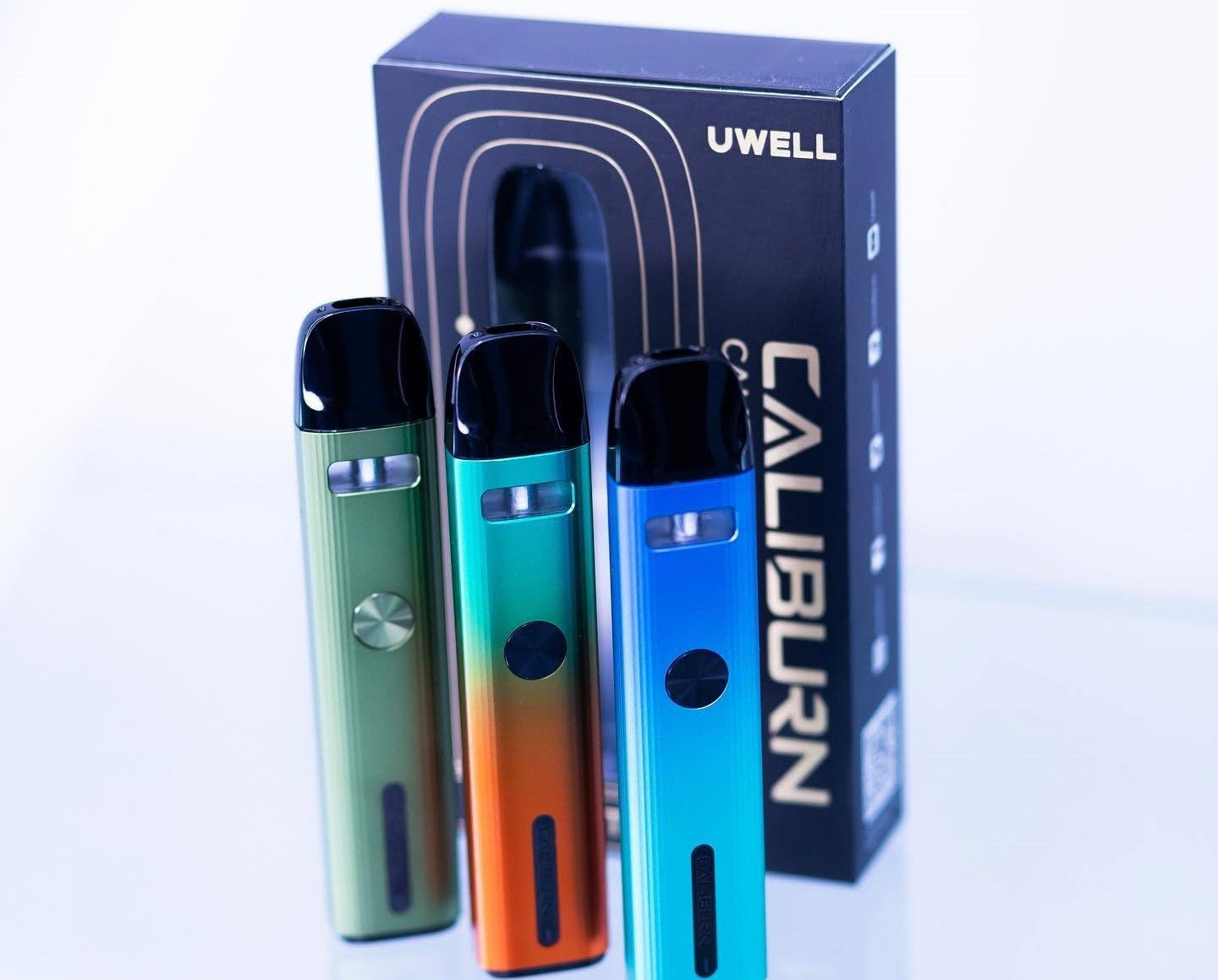
A rechargeable vape saves more money for anyone who vapes most days. It costs more upfront, but refill liquid, pods, and coils usually cost less over time than replacing a disposable. A disposable can stay cheaper for light, occasional use because you skip the device cost.
Most people compare vapes by sticker price. A disposable looks cheap at the counter, and a rechargeable device looks like a bigger bill. But the sticker price is only your first purchase. What you spend over a month or a year depends on how often you vape and what you have to replace each time.
That makes the choice between a disposable vape vs rechargeable vape a math problem, not a style choice. At Vape Vibes, our vape store in Plaistow, NH, we see both sides every week. Some customers want a device they can open and use with no setup. Others got tired of buying a new one every few days and wanted to spend less. Both choices make sense for the right person.
This post breaks down what each option really costs, how to find your own break-even point, and where hidden costs show up on both sides. The prices in the examples are round numbers for the math only. Swap in what you actually pay, and the answer will fit your own habits.
What Counts as a Rechargeable Vape?
A rechargeable vape is a reusable device with a battery you charge. You keep the device and replace only what runs out. That is usually liquid, a pod, or a coil.
This group includes pod systems and tank kits. Some use refillable pods that you fill with e-liquid. Others, like a JUUL vape, use pre-filled pods that snap in. In both cases, the device stays with you and you recharge the battery.
Rechargeable disposables are a different thing. Many disposables now have a charging port, so you can recharge a disposable vape and use all the liquid in it. But when that liquid runs out, you still replace the whole device. On cost, that puts them much closer to a regular disposable than to a reusable kit.
What Does a Disposable Vape Really Cost?
A disposable has no upfront cost beyond the first device. You pay the same price each time you replace it. Your weekly spend is simple: the price of one device times the number you go through in a week.
The catch is that disposables vary in size. A device rated for more puffs often costs more, but it should also last longer. That is why how long a disposable lasts matters more than the price on the label. Two people can buy the same device and spend different amounts each month, because one vapes all day and the other vapes at night.
Authenticity affects cost too. A counterfeit disposable can fail early and waste the money you meant to save, so it pays to buy from a shop that sells real products.
What Does a Rechargeable Vape Cost Over Time?
A rechargeable vape has two parts to its price. The first is the device, which you pay for once. The second is what you replace as you go.
The running costs usually include:
- E-liquid or pods, based on how much you vape
- Coils, which wear out and need replacing
- A charging cable, if one does not come in the box
- A new device down the road, because batteries lose capacity with use
The biggest ongoing expense is e-liquid or pods. Prices change by brand, bottle size, and nicotine type, so compare what you would pay per week, not per bottle. Basic vape maintenance can also slow down how fast parts wear out.
Does New Hampshire Tax Change the Math?
New Hampshire has no sales tax at the register, but e-cigarettes are not tax-free. The state taxes them under its tobacco tax, and the wholesaler pays it before the product reaches the shop. Closed cartridges and sealed containers of liquid are taxed at 30 cents per milliliter. Liquid meant to be opened and refilled is taxed at 8 percent of the wholesale price.
You will not see either charge on your receipt, so you cannot compare them directly. What you can compare is the shelf price and your weekly cost. That is the number that actually leaves your wallet.
How to Find Your Break-Even Point
Your break-even point is the number of weeks it takes for a rechargeable device to pay for itself. The formula is device cost divided by the difference between your weekly disposable spend and your weekly refill spend.
To get your own numbers, add up what you spent on disposables last month and divide by four. Here is an example with round numbers. These are not store prices.
- A disposable costs $20, and you use one per week. That is $20 a week.
- A rechargeable kit costs $35. Liquid and a coil or pod run about $10 a week.
- Your weekly gap is $10, so $35 divided by $10 gives a break-even point of 3.5 weeks.
After 12 weeks, the disposable path costs $240. The rechargeable path costs $155, which is $35 for the kit plus $120 in refills. That is an $85 difference.
Now try a lighter habit. If your weekly gap is only $2, the same $35 device takes about 18 weeks to pay off. The less you vape, the longer the wait. That is the main reason light users often stay with disposables.
When Is a Disposable the Cheaper Choice?
A disposable can win on price in a few situations. Here is how the common habits shake out:
- Daily vapers: A rechargeable vape usually wins, because the device cost spreads across many weeks of use.
- Occasional vapers: A disposable can cost less, since the weekly gap is small and a device may take months to pay off.
- People trying a new flavor or brand: One disposable costs less than a full kit if you are not sure you will keep using it.
A rechargeable vape only saves money if you use it the way it is meant to be used. A device that sits in a drawer or gets lost saves nothing.
Where to Compare Both in Plaistow, NH
The easiest way to settle the math is to compare real prices side by side. Our Plaistow team can show you a starter kit next to the disposables you buy now. They can also tell you what pods, liquid, and coils cost for that device, which is the number that decides your savings. If you are searching for a vaporizer store near you that carries disposables, devices, and coils and pods, Vape Vibes covers all three.
The Bottom Line
For regular vapers, a rechargeable vape usually costs less over time. For light or occasional use, a disposable can stay cheaper. Add up last month’s spending and run the break-even math. Then stop by Vape Vibes in Plaistow, NH, and our team can help you compare real numbers. You can also visit our Salem, NH vape store. You must be 21 or older with a valid photo ID.
Frequently Asked Questions
Is a rechargeable vape cheaper than a disposable vape?
For most regular vapers, yes. A rechargeable vape costs more upfront, but you replace only liquid, pods, and coils instead of the whole device. For light users, a disposable can cost less because a device takes longer to pay for itself.
How long does it take for a rechargeable vape to pay for itself?
It depends on how much you vape. Divide the device cost by the weekly gap between your disposable spending and your refill spending. For example, with round numbers and not store prices, a $35 device pays for itself in 3.5 weeks with a $10 weekly gap, and in about 18 weeks with a $2 weekly gap.
Are rechargeable disposable vapes cheaper than regular disposables?
Not by themselves. Charging lets you finish the liquid in one device, but you still replace the whole device when it runs out. Your long-term cost follows the same pattern as a regular disposable.
How does New Hampshire tax vape products?
New Hampshire taxes e-cigarettes under its tobacco tax, and the wholesaler pays it. Closed cartridges and sealed containers of liquid are taxed at 30 cents per milliliter. Liquid meant to be opened and refilled is taxed at 8 percent of the wholesale price. Neither charge appears as a line on your receipt.