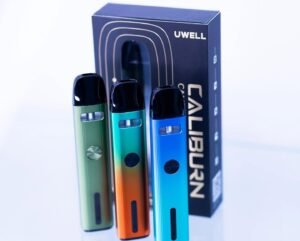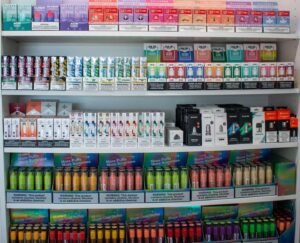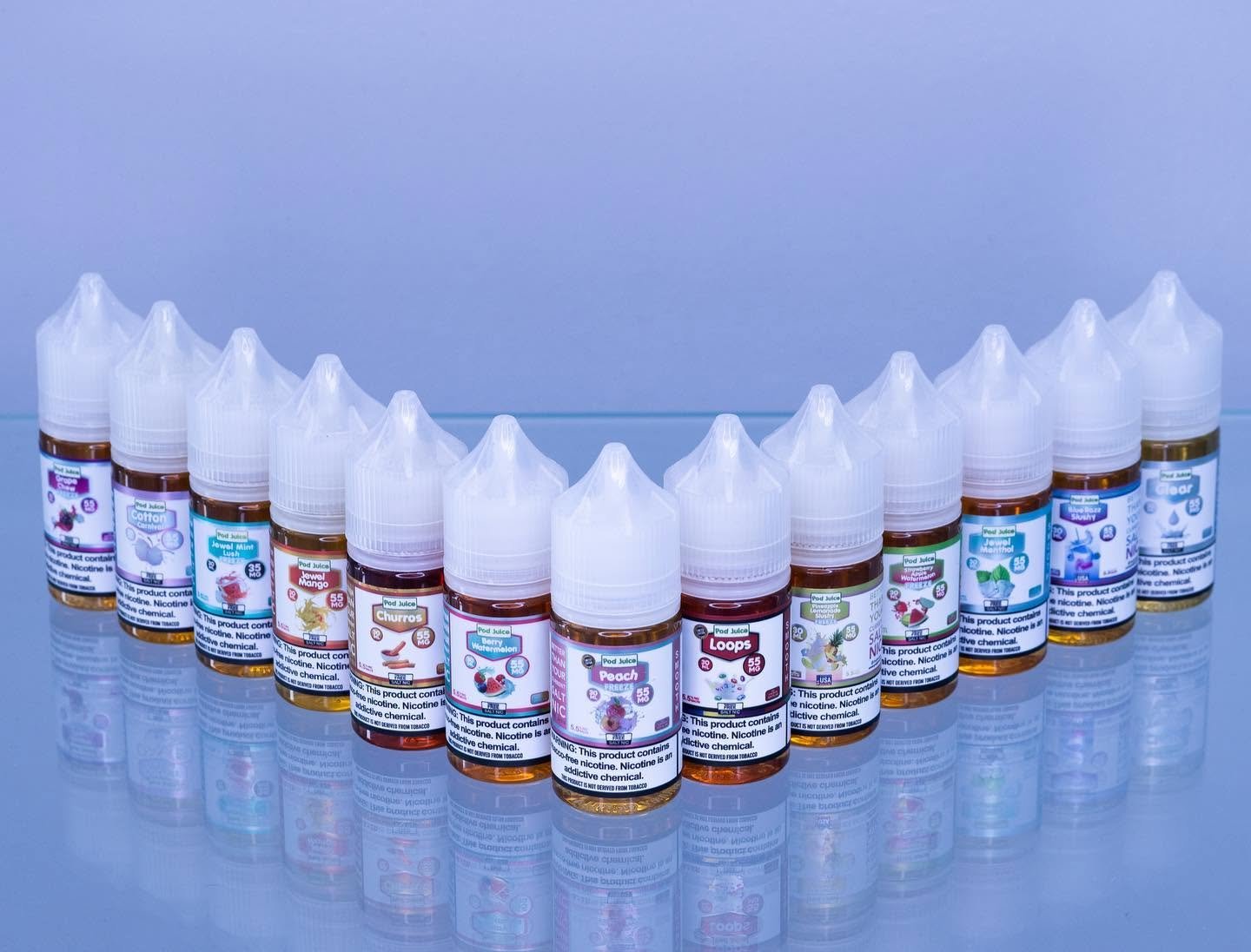
The right nicotine strength depends on your device type, not just a number. Freebase e-liquids typically range from 3–18mg, while nicotine salts commonly range from 20–50mg, and the same mg number feels different in each format.
If you’ve ever compared a bottle labeled “6mg” to a pod labeled “5%” and wondered which one is actually stronger, you’re not alone. This is one of the most common questions we get at our vape shop in Salem, NH. Nicotine strength isn’t a single universal scale. A 6mg freebase e-liquid and a 6mg nicotine salt e-liquid contain the same amount of nicotine per milliliter, but they don’t feel the same, deliver nicotine at the same speed, or work in the same devices. Getting this wrong is one of the most common mistakes new vapers make, either buying a strength that’s too harsh to use comfortably or too weak to satisfy a craving.
This post breaks down the actual difference between freebase and salt nicotine, how to pick a starting strength based on your habits, and how to tell if you need to adjust.
Freebase Nicotine vs. Nicotine Salt: Why the Same Number Feels Different
Freebase and nicotine salt are chemically the same nicotine, but nicotine salts have benzoic acid added, which lowers the pH and makes higher concentrations feel smoother to inhale.
Freebase nicotine, without that treatment, produces a stronger throat hit as the concentration goes up. That’s why freebase e-liquids are usually sold at lower strengths, typically 3 to 18mg per milliliter, and used in higher-power tanks and mods that produce large vapor clouds. Nicotine salts can be sold at much higher concentrations, commonly 20 to 50mg per milliliter, without the harsh bite, which is why they’re used in lower-power pod systems and disposables. This is also part of why a Juul vape delivers nicotine differently than a refillable tank, even when the numbers on the label look similar.
A study published in JAMA Network Open and hosted by the National Institutes of Health found that salt-based nicotine e-liquids delivered higher peak blood nicotine levels than freebase e-liquids at comparable strengths, which helps explain why salts feel more satisfying to many former smokers even at the same mg number. If you’re also weighing nicotine pouches against vaping, we compared exact milligram amounts in our Juul vs. Zyn nicotine content breakdown, including how Zyn near me searches usually lead people to a very different strength scale than vaping.
How to Choose Your Starting Nicotine Strength
Start by matching your device type to its typical strength range, then pick the lower end of that range rather than the highest number available.
There’s no government-issued formula that converts “packs smoked per day” into an exact milligram number, so be skeptical of any chart that claims otherwise. What generally holds up: if you’re using a tank or mod, freebase strengths in the 3 to 12mg range cover most smokers transitioning off cigarettes, with heavier smokers leaning toward the higher end. If you’re using a pod system or disposable, nicotine salts in the 20 to 35mg range are the common starting zone, with 50mg reserved for heavier smokers or those who’ve found lower strengths unsatisfying. It’s easier to step up in strength later than to start too high and find vaping unpleasant. If vaping is one of several smoke-free options you’re weighing, our roundup of smoke-free nicotine alternatives covers how pouches, disposables, and refillables compare beyond just strength.
Quick Facts: Nicotine Strength Basics
- Freebase typical range: 3–18mg/mL, used in tanks and mods
- Nicotine salt typical range: 20–50mg/mL, used in pods and disposables
- Same mg number in both formats: Contains the same amount of nicotine per mL, but does not feel or absorb the same
- Key chemical difference: Nicotine salts include benzoic acid, which lowers pH and reduces throat harshness at higher strengths
- Absorption: Research hosted by the National Institutes of Health found nicotine salts produced higher peak blood nicotine levels than freebase at equivalent strengths
- No official conversion chart exists for translating cigarettes smoked per day into an exact recommended mg strength
Signs Your Nicotine Strength Is Too High or Too Low
A strength that’s too high usually causes harsh throat irritation, coughing, dizziness, or a racing heartbeat. A strength that’s too low leaves you unsatisfied and reaching for the device far more often than expected.
If you’re coughing on nearly every pull or feeling lightheaded, that’s your body telling you to step down, not push through it. On the other end, if you’re vaping constantly and still craving a cigarette afterward, the strength is probably too low for your habits, or the device format doesn’t match your nicotine tolerance. Puff count plays into this too. Disposables and pod systems are built around shorter, more frequent puffs, so how the device is designed to be used affects how a given strength actually feels, something we get into more in our piece on how disposable vapes work. Both overshooting and undershooting strength are common and both are fixable by adjusting strength or format rather than assuming vaping “doesn’t work” for you.
Freebase or Salt: Which Format Fits Your Device
Nicotine salts are built for low-power pod systems and disposables. Freebase is built for higher-power tanks and mods. Using the wrong format in the wrong device usually gives a poor experience regardless of strength.
A high-strength nicotine salt in a sub-ohm tank will typically feel far too harsh and deliver more nicotine per puff than intended. A low-strength freebase juice in a small pod device often won’t satisfy a craving at all, since the smaller puff volume delivers less total nicotine. If you’re still deciding on a device before you settle on a strength, our guide on how to choose the right vape device walks through device types in more detail, and pairs directly with the strength ranges above.
Get Personalized Nicotine Strength Advice in Salem, NH
Strength charts are a starting point, not a guarantee, since tolerance varies from person to person. If you’re switching from cigarettes or adjusting an existing setup, talking it through in person beats guessing from a label.
Our team at Vape Vibes in Salem can walk you through strength options based on your current habits, and our vape shop in Plaistow offers the same in-person guidance if that’s closer to you. Either location carries both freebase e-liquids and nicotine salt pods, so you can compare formats side by side instead of guessing from a shelf label. If you’re searching for a vaporizer store near me that actually explains strength differences instead of just selling you a number, that’s what we’re here for.
The Bottom Line
Nicotine strength isn’t one scale, it’s two: freebase and salt, and the same mg number means something different in each. Match your strength to your device type, start on the lower end, and adjust based on how you actually feel rather than chasing the highest number on the shelf. If you’re just getting started, our beginner’s guide to choosing your first vape covers the device side of this decision. Stop by Vape Vibes in Salem or Plaistow and our team can help you dial in the right strength in person.
FAQs
Is nicotine salt stronger than freebase nicotine?
Not necessarily. At the same mg/mL number, both contain the same amount of nicotine. Nicotine salts just feel smoother at higher concentrations, which is why they’re commonly sold at higher strengths than freebase.
What nicotine strength should a former smoker start with?
There’s no official formula, but many former smokers start with 20–35mg nicotine salts in a pod system, or 6–12mg freebase in a tank, and adjust from there based on comfort.
Can I use a high nicotine salt strength in a tank or mod?
It’s not recommended. High-strength nicotine salts in high-power tanks can deliver more nicotine per puff than intended and often feel unpleasant.
How do I know if my nicotine strength is too low?
If you’re vaping far more often than expected and still craving a cigarette afterward, your strength or device format likely doesn’t match your nicotine needs.